Key Takeaways
- Your body holds less water as you age, and your thirst signals become less reliable.
- Dehydration can cause falls, confusion, and serious health complications.
- Small daily habits like drinking water with meals can make a big difference.
- Many foods and beverages count toward your daily fluid intake.
- Senior living communities provide supportive environments that make staying hydrated easier.
Why Hydration Matters More than Ever as You Age
You might notice that you don’t feel thirsty as often as you used to, or perhaps you’ve experienced unexpected dizziness during your daily activities. These changes aren’t just part of getting older—they’re often signs that your body needs more water than you’re giving it.
Hydration becomes increasingly important as you age because your body’s ability to maintain proper fluid balance naturally decreases, making you more vulnerable to dehydration and its serious health consequences.
When you understand how your changing body processes water differently, you can take simple steps to protect your health and maintain your independence. Paul Spring by RUI recognizes that proper hydration is a cornerstone of healthy aging, which is why their communities focus on life-enriching programs that support your overall wellness.
How Your Body Changes as You Age
Your body composition shifts naturally over time. While younger adults carry about 60% water weight, your body now holds closer to 50% water. This means you have fewer fluid reserves to draw from when you need them most.
Your kidneys also work differently than they used to. They don’t concentrate urine as effectively, which means you lose more water throughout the day. At the same time, your thirst sensation becomes less reliable—you might not feel thirsty even when your body needs fluids.
Many common medications can affect your fluid balance, too. Diuretics, blood pressure medications, and even over-the-counter pain relievers can increase your risk of dehydration. These changes happen gradually, so you might not notice them right away.
Health Risks You Face When You Don’t Drink Enough Water
Dehydration affects your balance and coordination, making falls more likely. When you don’t have enough fluids, your blood pressure drops, and you feel dizzy or lightheaded when standing up.
Your urinary system suffers when you’re dehydrated. Concentrated urine creates an environment where bacteria thrive, leading to painful urinary tract infections. Your kidneys work harder to filter waste without adequate water, potentially causing long-term damage.
Digestive problems become more common, too. Without enough water, your body can’t move waste through your system effectively, causing uncomfortable constipation and bloating. Your brain needs water to function properly. Even mild dehydration can cause confusion, forgetfulness, and difficulty focusing on tasks you normally handle with ease.
You might notice mood changes when you’re not drinking enough water. Irritability, anxiety, and feeling “off” can all stem from inadequate hydration. Your sleep patterns can suffer too, as your body struggles to regulate temperature and other functions. This is particularly important for those in memory care settings, where maintaining cognitive function is a top priority.
Simple Ways to Stay Hydrated Throughout Your Day
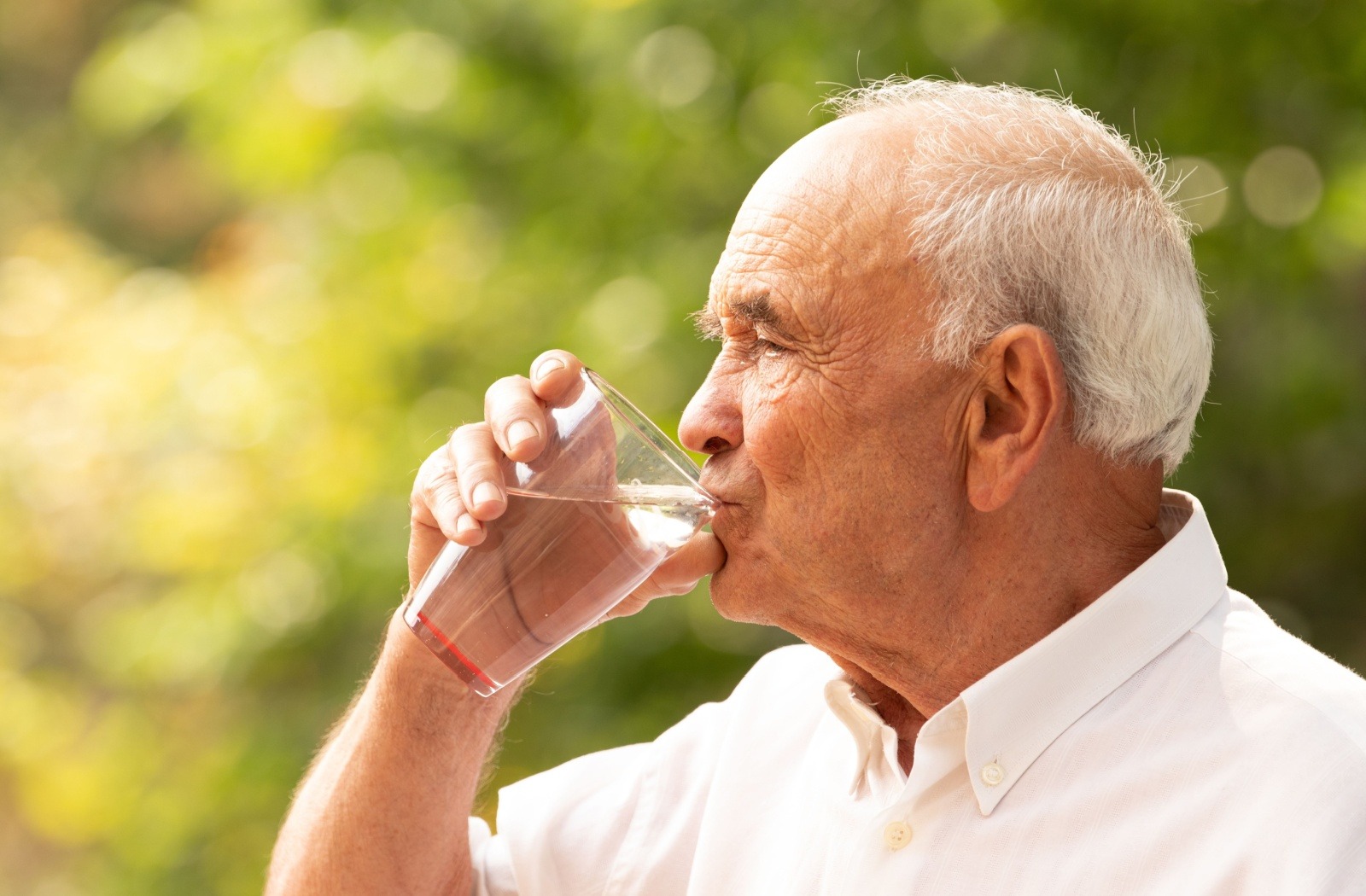
Plain water doesn’t have to be boring. Add slices of lemon, cucumber, or berries to create refreshing combinations that you’ll actually want to drink. Fresh mint or basil can add interesting flavors without any calories or artificial ingredients.
Temperature matters more than you might think. Some people prefer ice-cold water, while others find room temperature or slightly warm water more appealing. Experiment to find what works for you.
Keep your favorite water bottle or glass where you can see it. When water is visible and within arm’s reach, you’re more likely to take regular sips throughout the day. Link water drinking to activities you already do. Have a glass with each meal and snack—this alone can help you meet most of your daily fluid needs.
Start your morning with a glass of water before your coffee or tea. End your day the same way, though stop drinking large amounts a few hours before bedtime to avoid sleep disruption. Sip water while you read, watch television, or work on hobbies. These activities provide natural opportunities to hydrate without thinking about it. If you enjoy fitness activities, remember that even light exercise increases your fluid needs.
Foods That Help You Meet Your Hydration Goals
About 20% of your daily fluid intake comes from food. Water-rich fruits like watermelon, oranges, and grapes provide hydration along with vitamins and natural sweetness. Vegetables such as cucumbers, tomatoes, and lettuce add fluids to your meals.
Soups and broths count toward your daily fluid goals while providing nutrition and comfort. Whether you prefer chicken soup, vegetable broth, or gazpacho, these options help you stay hydrated while enjoying satisfying meals. Restaurant-style dining programs often feature hydrating menu options that make meeting your fluid goals enjoyable.
Herbal teas, milk, and smoothies all contribute to your hydration. Even caffeinated beverages like coffee and regular tea provide more fluids than they remove, despite what you might have heard. Hot weather and physical activity increase your fluid needs significantly. You lose water through sweat even during gentle activities like gardening or walking.
When you’re sick with fever, vomiting, or diarrhea, your body loses fluids rapidly. During these times, small, frequent sips work better than trying to drink large amounts at once. Recovery periods also require extra attention to hydration.
Changes in routine can disrupt your normal drinking patterns. Travel, medical appointments, or family visits might throw off your usual habits. Assisted living services can provide valuable support during illness when maintaining proper hydration becomes challenging.
Take the Next Step Toward Vibrant, Supported Living
Senior living communities like Paul Spring by RUI understand that proper hydration is foundational to your health and happiness. Their restaurant-style dining programs offer hydrating soups, fresh fruits, and beverages served throughout the day in welcoming environments.
Wellness programs in independent living, assisted living, and memory care settings include education about healthy habits like staying hydrated. You’ll learn practical strategies while connecting with others who share similar goals.
The caring teams at quality senior communities pay attention to your individual needs and preferences. They create environments where healthy choices feel natural and enjoyable, not like medical requirements. Beautiful dining spaces and social activities make drinking water and eating hydrating foods part of a pleasant daily routine you’ll look forward to.
When you’re ready to explore how a supportive community can enhance your wellness journey, contact Paul Spring by RUI to schedule a tour and discover how their comprehensive approach to healthy living can benefit you.