When a loved one begins showing signs of dementia, families often expect symptoms to follow a familiar pattern. But in many cases, changes in memory, behavior, or physical ability don’t fit neatly into one diagnosis. If that’s the case, it could be mixed dementia.
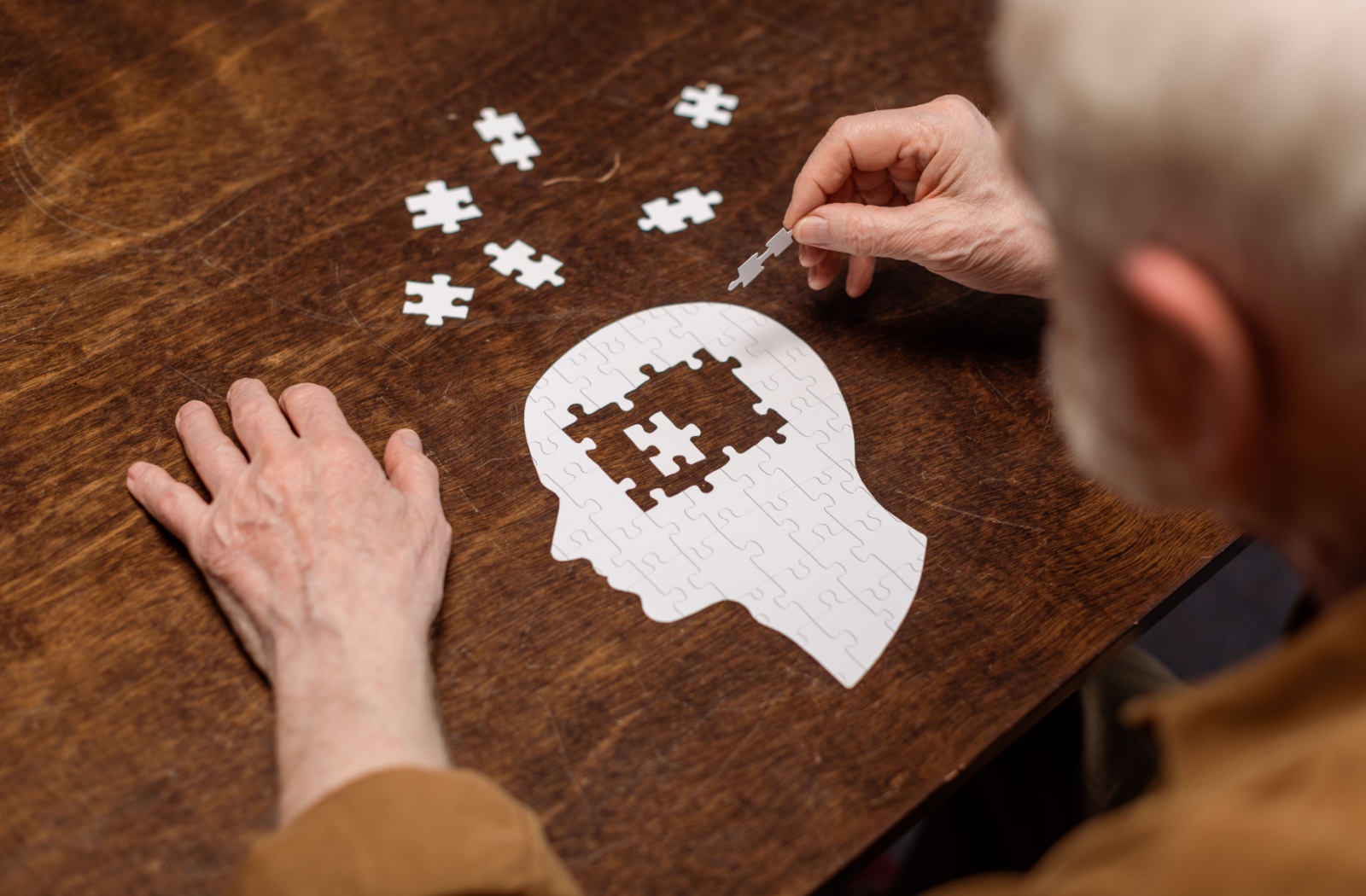
Mixed dementia occurs when a person has more than one type of dementia at the same time. Instead of a single cause, multiple conditions affect the brain, often leading to a broader range of symptoms that change over time. Mixed dementia can be complex, and without the right support, it can quickly interfere with your loved one’s health and quality of life.
Key Takeaways
- Mixed dementia occurs when two or more types of dementia affect the brain at the same time.
- Alzheimer’s disease and vascular dementia are the most common combination, though other types may also be involved.
- Symptoms often span memory loss, behavioral changes, communication challenges, physical decline, and difficulty with daily tasks.
- Because symptoms overlap, mixed dementia may not follow a predictable progression.
- Memory care offers structured routines, safety, and professional support for people living with mixed dementia.
The Basics of Mixed Dementia
Dementia doesn’t always develop in a standard way. In many older adults, changes in the brain overlap, meaning more than one condition may be present at the same time. This overlap is what defines mixed dementia and explains why symptoms may not follow a single, predictable path.
With mixed dementia, one or more of the following types of dementia develop together, such as:
- Alzheimer’s disease, which causes progressive changes in memory, behavior, and personality.
- Vascular dementia, which results from reduced blood flow to the brain and often affects reasoning, focus, and organization.
- Lewy body dementia, which may lead to visual hallucinations, movement changes, and fluctuations in alertness.
- Frontotemporal dementia, which can cause early shifts in judgment, personality, or language skills.
Because these conditions affect the brain differently, mixed dementia can look different from person to person.
The Most Common Signs of Mixed Dementia
The symptoms of mixed dementia tend to create unique combinations of changes. These progress over time, and eventually, a person with mixed dementia will need professional care.
Memory-Related Symptoms of Mixed Dementia
Short-term memory loss is common, especially difficulty recalling recent conversations or events. A loved one may repeat questions, misplace familiar items, or struggle to retain new information, even when long-term memories seem intact. Over time, memory challenges may fluctuate depending on which type of dementia is more active.
Behavioral and Personality Changes
Shifts in mood or behavior may occur as dementia affects emotional regulation. Increased anxiety, irritability, apathy, or social withdrawal can appear, sometimes feeling abrupt or out of character for the person. These changes may be more noticeable in social settings or during transitions in routine.
Cognitive and Communication Challenges
Mixed dementia can interfere with reasoning, judgment, and language. A loved one may have trouble making decisions, following conversations, or expressing thoughts clearly, which can make everyday interactions more difficult. Problem-solving tasks, even simple ones, may become increasingly frustrating.
Physical and Mobility Changes
Some forms of dementia affect movement and coordination. Changes in balance, walking patterns, or overall physical steadiness may increase the risk of falls and make independent movement more challenging. Physical symptoms often appear alongside cognitive changes rather than on their own.
Changes in Daily Functioning
Managing everyday tasks often becomes harder as symptoms progress. Activities like dressing, cooking, personal hygiene, or managing medications may require increasing levels of support, even if these tasks were once routine. These declines in daily functioning are often one of the clearest signs that additional care may be needed.
What to Do if You Think Someone Has Dementia
If you’re worried about a loved one’s cognitive health, don’t panic. Instead, take a moment and plan ahead. This can give you an in-depth understanding of your loved one’s abilities.
Schedule a Cognitive Assessment
If you’re noticing ongoing changes in memory, behavior, or daily functioning, a professional evaluation is an important first step. A cognitive assessment helps clarify what may be causing these changes and rules out other medical factors that can affect brain health.
A cognitive assessment may include:
- A review of personal and family medical history
- Memory and thinking tests that evaluate recall, attention, and problem-solving
- Physical and neurological exams to assess coordination and reflexes
- Brain imaging, such as an MRI or CT scan, to identify structural changes
- Lab work to rule out underlying medical conditions
Together, these findings lay out where your loved one needs more support.
Consider a Move to Memory Care
As daily needs increase, caring for a loved one at home can be challenging. Fortunately, memory care can provide structure, supervision, and professional support designed specifically for cognitive changes.
What Is Memory Care?
Memory care is a special type of senior living created for people living with dementia, including mixed dementia. It focuses on safety, consistency, and personalized support while preserving dignity and routine.
How Does Memory Care Work?
Memory care communities are designed to reduce confusion and support daily life in meaningful ways. To do so, communities like ours offer a range of programs and care types to keep your loved one safe every day.
Memory care offers:
- 24/7 support from trained team members
- Secure, easy-to-navigate environments
- Structured daily routines that promote familiarity
- Assistance with activities of daily living
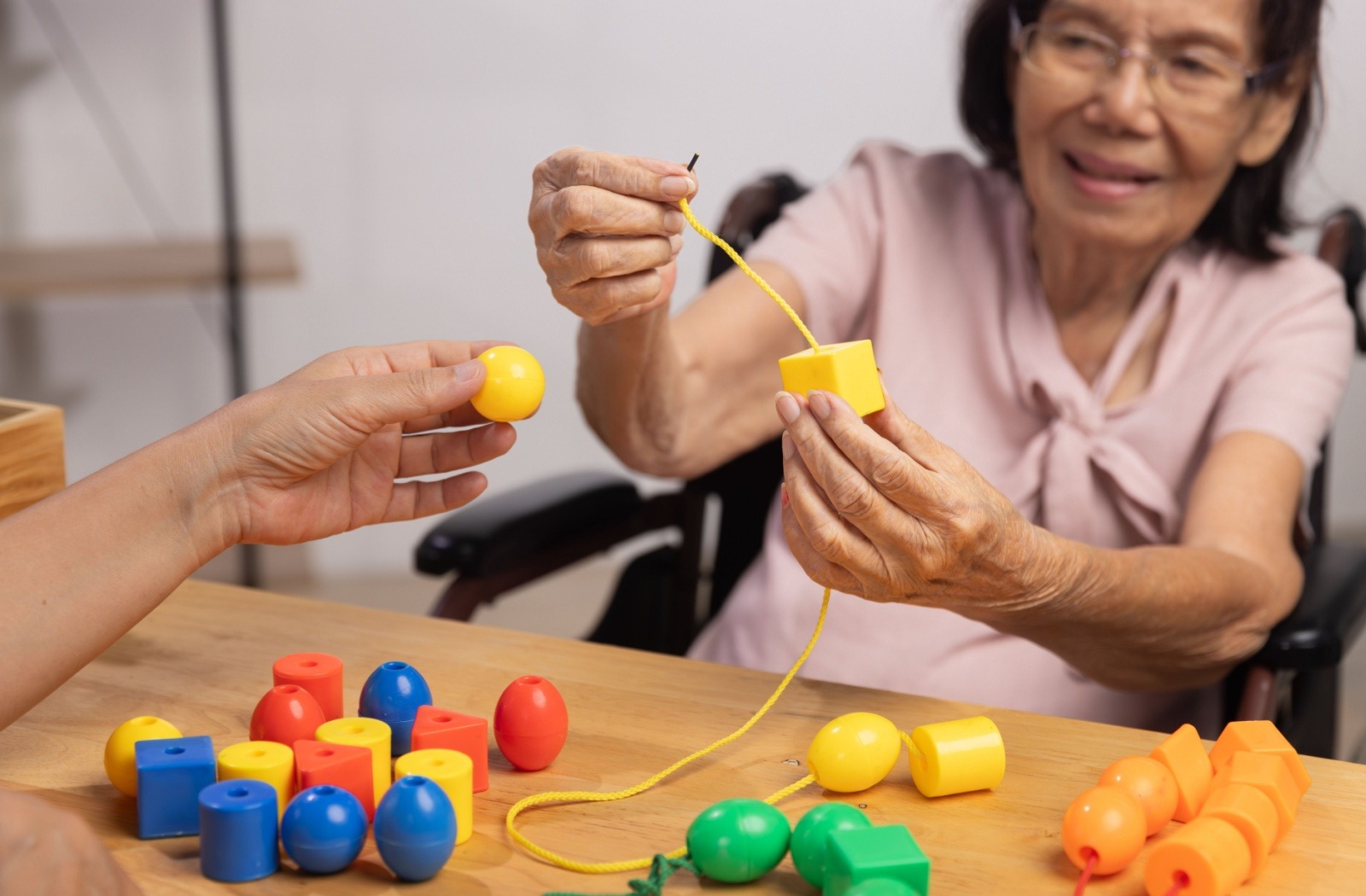
- Purposeful engagement that supports connection and well-being
Together, these elements help residents feel supported while giving families peace of mind.
Find a Community That Feels Like Home
You deserve a partner in care who understands your family’s needs. A community with a full spectrum of programs and a compassionate, experienced team can provide the support your loved one has earned. A vibrant environment where quality care is a priority can make all the difference. And that place is waiting for you here.
In our community at Paul Spring by RUI, every resident benefits from thoughtful programs and a family-oriented atmosphere. If you’re exploring care options for a loved one, we can help. Schedule a visit with us today, and come experience firsthand how a close-knit community can support you and your loved one.